Winner Cedric Houin: This image was shot in the Kyrgyz lands of the Wakhan Corridor. The intimacy of this everyday life moment, shot inside of a family yurt, is in total contrast with the harsh environment these nomadic tribes live in. On the right we notice a television and a sound console. These tribes live weeks away from any village by foot. In spite of being located at an altitude of 4,300 meters in one of the most remote areas of Afghanistan they are equipped with solar panels, satellite dishes and cellphones. Ancestral ways of living, with touches of modernity
Vo Anh Kiet: H'Mong minority children were playing with their balloons on the foggy day in Moc Chau - Ha Giang province Viet Nam in January 2012. Contest judge Alexandra Avakian said: 'This picture is like a dream, and it's timeless not only because it's black and white and there's no sense of modernity, but also because it depicts an activity that children everywhere on the planet do with balloons. The fog and soft background make it feel like a memory'
Andrea GuarnerI: During the Easter holy celebration called iMisterii in Trapani, the devotees carry the scenes of Christ's passion on their shoulders all night long, only when the day comes do they take a break. Contest judge Alexandra Avakian said: 'The light on the icon of Jesus is as critical to the success of this picture as the varied expressions on the men¿s faces after an exhausting night carrying statues depicting the Passion of Christ. Recognizing when and how to balance different kinds of light in the same photo is something that can make the difference between a muddy and uninteresting picture and one that¿s good, aesthetic, and full of content'
Ken Thorne: Near the city of Morondava, on the West coast of Madagascar, lies an ancient forest of Baobab trees. Unique to Madagascar, the endemic species is sacred to the Malagasy people and rightly so. Walking amongst these giants is like nothing else on this planet. Some of the trees here are over a thousand years old. It is a spiritual place, almost magical
The picture's description is: 'The intimacy of this everyday life moment, shot inside of a family yurt, is in total contrast with the harsh environment these nomadic tribes live in. On the right we notice a television and a sound console.
'These tribes live weeks away from any village by foot. In spite of being located at an altitude of 4,300 meters in one of the most remote areas of Afghanistan they are equipped with solar panels, satellite dishes and cellphones. Ancestral ways of living, with touches of modernity.'
SauKhiang Chau: The Last Supper Of Da Vinci? No, they are just some old men of Chefchaouen with djellaba, sitting and talking each other
Photographer Camila Massu said: 'My sister in the south of Chile. We are sitting at home next to the fireplace in our southern lake house when it suddenly began to pour uncontrollably. Had to rush into the lake to take this snapshot!'
Ken Bower: The village of G Sadalur and the island of Mykines in the background. Until a tunnel was built in 2004, the 16 residents living there had to take a strenuous hike over the steep 400 meter mountain. 'It was a rare sunny day in the Faroe Islands and I had to wait until the clouds rolled in to provide some softer light. I decided to go with a long exposure (1 minute 10 seconds) to illustrate the force of the wind and a serene sea among the isolated islands,' Mr Bower said
Fred An: 'This is the great Japanese maple tree in the Portland Japanese Gardens,' photographer Fred An said to National Geographic. 'I tried to bring a different perspective of this frequently photographed tree'
Alexandra Avakian, National Geographic contributing photographer, said: 'The content of the photo is striking because the photographer captured both the nomads' traditional way of life and some of their modern accouterments — the viewer gets the visual satisfaction of something that goes against cliché.
'Triangle shapes tend to add dynamism to photos. In this picture they appear in several places, including the main subject’s knee, elbow, and white scarf. The location is hard to reach and off the beaten path for most travelers, and therefore of educational as well as aesthetic value.'
Peter DeMarco: More than 2,000 Buddhist temples and pagados fill the plains of Bagan. Farmers now raise their livestock within the centuries old complex.The best way to see Bagan, apart from a ride on a hot air balloon, is by bicycle. It's easy to get off the beaten path and live out your wildest Indiana Jones fantasy.
Lucia Griggi: 'Taken at Cloud Break at an outer reef in Fiji, a surfer duck dives his board to clear the rolling waves of the raw ocean,' photographer Lucia Griggi said. He was a Merit Winner for this stunning image
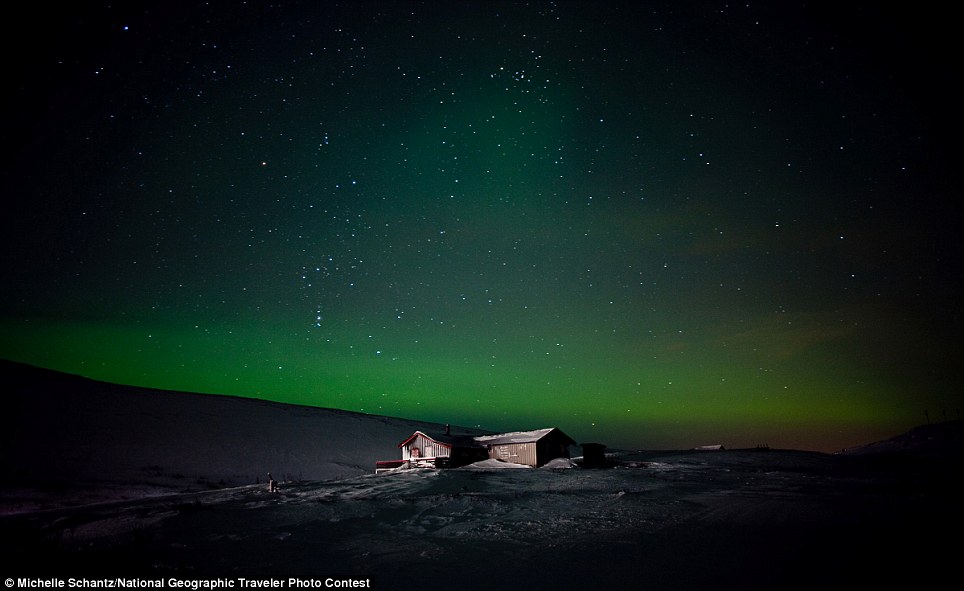
Michelle Schantz: A lonely cabin is illuminated under the Northern Lights in Finmmark, Norway
A real eye-opener. This chart shows numbers of dolphins exported from Japan (mainly Taiji) and countries that bought the dolphins between 2002 and 2008.




 http://en.elsaenc.net/wp-content/uploads/2010/05/ELSA-Number_of_Dolphins_Exported_from_Japan.pdf